
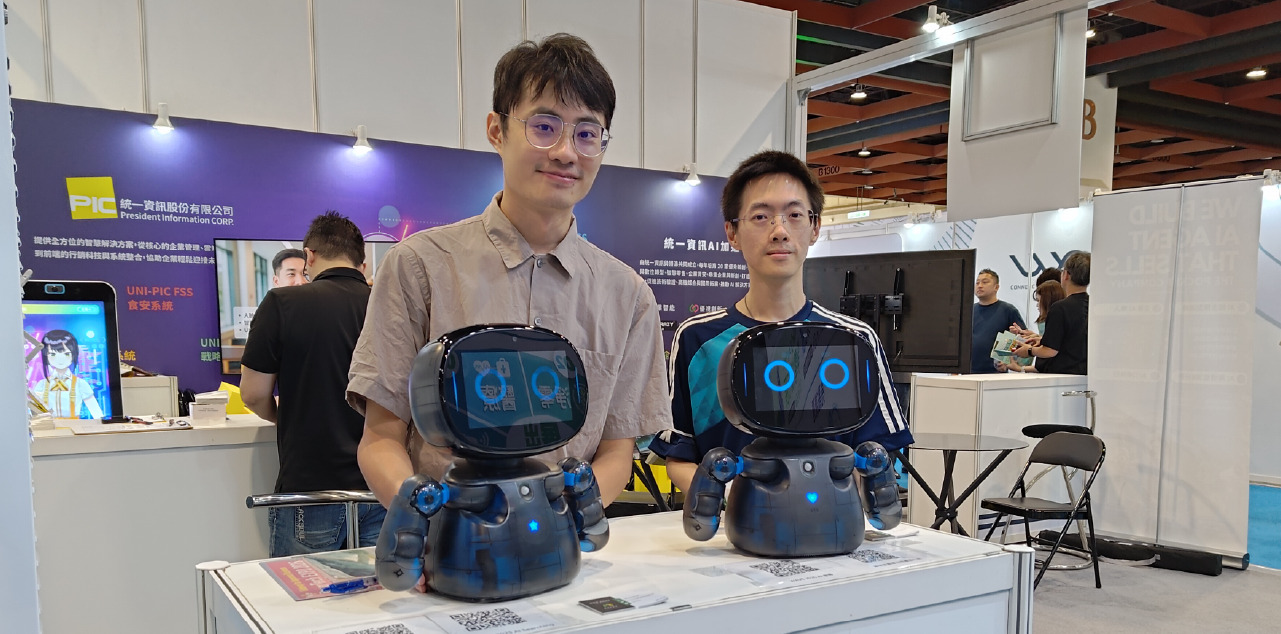
In August 2025, thanks to a friend's creative participation in AI WAVE SHOW 2025, I shared with attendees how AI can be integrated into retail, tourism, and exhibition matchmaking. This time, we didn't just introduce product functions; instead, we brought practical applications to the booth, allowing visitors to directly ask questions, operate the systems, and experience how online and offline services are integrated.
I. Offline Interaction: On-site Experience with the Smart Guide Robot
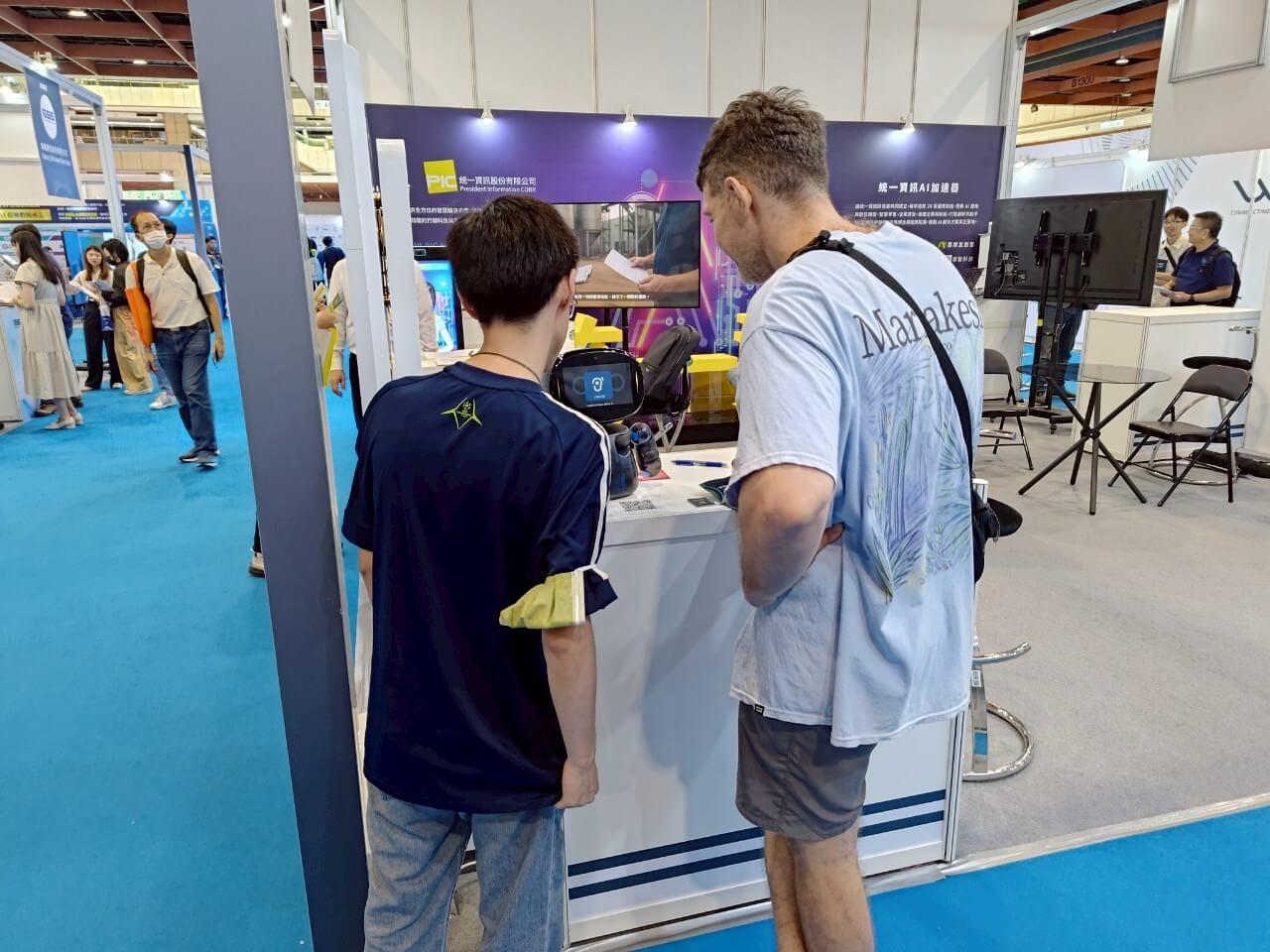
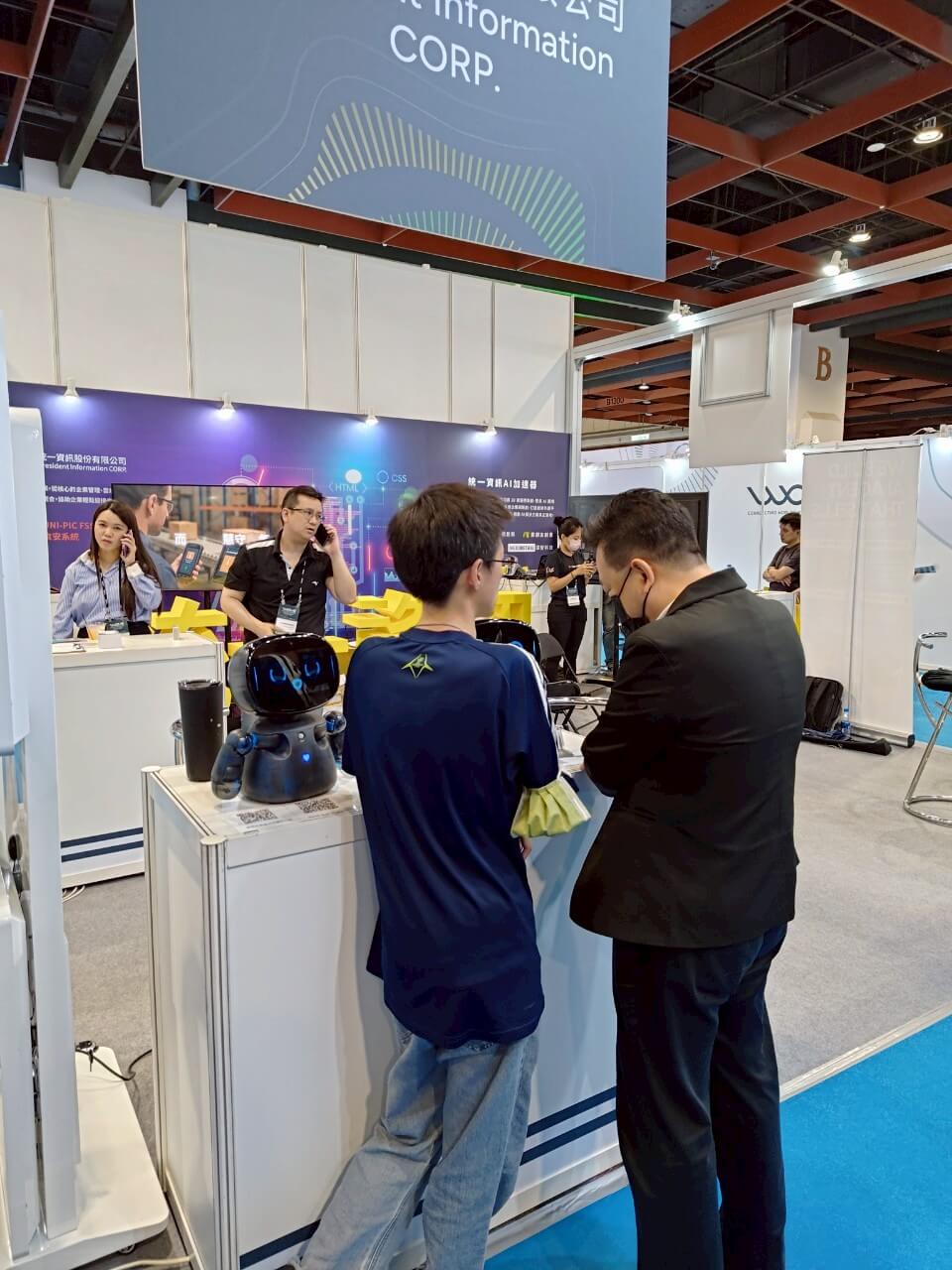
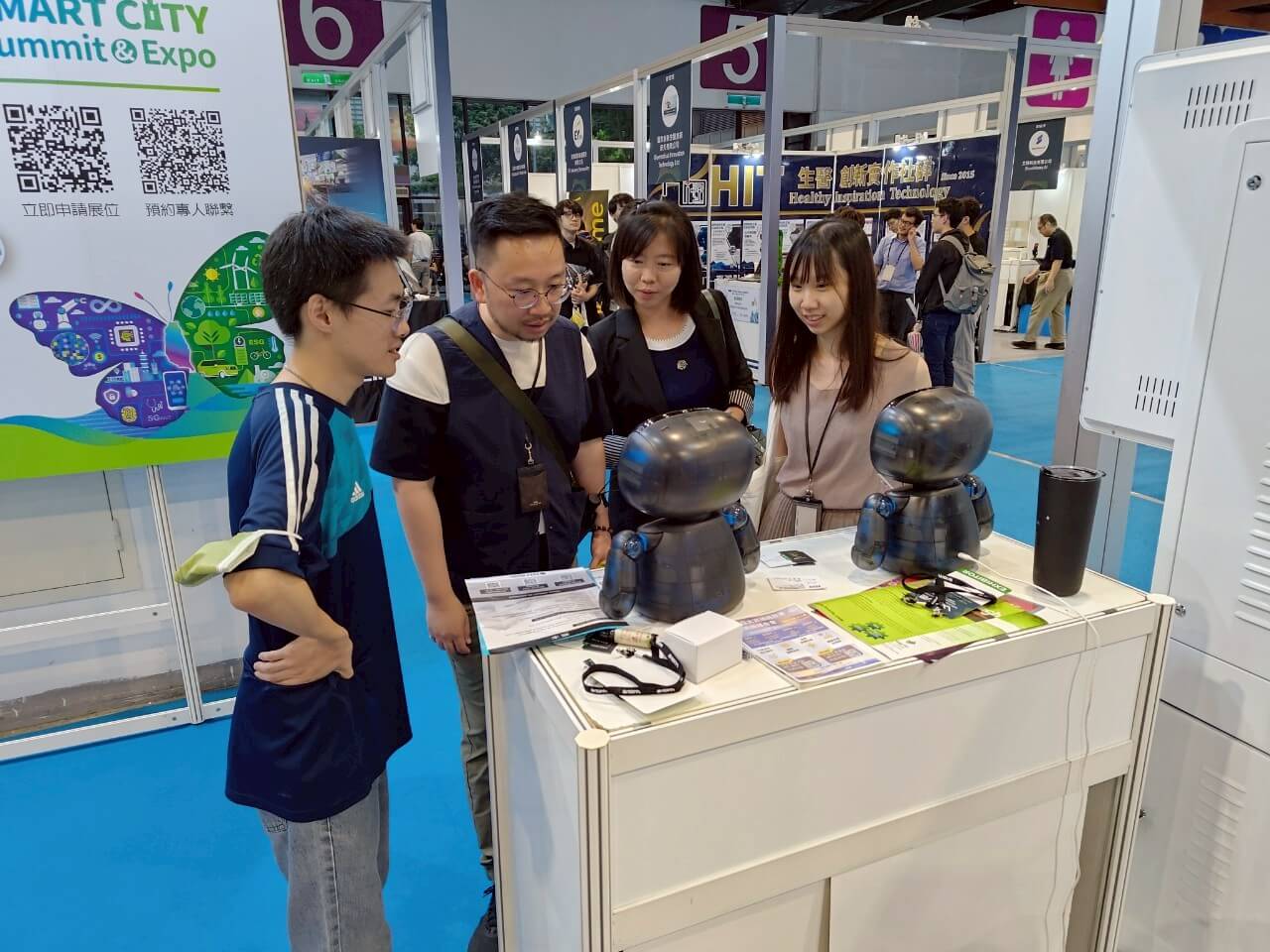
The two Kebbi robots at the booth became the most intuitive entry point for the experience. We brought existing application scenarios such as "Aka-chan Honpo" (a maternal and infant retail store) and "Odawara" (a tourist guide service) to the site, allowing guests to not only listen to presentations but also directly ask questions about products or travel via voice, observing how the system responds based on the imported data.
The same experience also offered a web version, which visitors could operate on their own mobile phones. The robot handles on-site greetings and interactions, while the mobile phone provides personalized search; both share the same knowledge and search logic, presenting the consistent cross-touchpoint experience emphasized by OMO (Online-Merge-Offline).
This design also allows users with different habits to choose: some prefer to speak directly to the robot, some want to browse step-by-step using the touchscreen, and others prefer to read quietly on their phones. Different entry points, but consistent data and recommendation logic ensure that the same question doesn't elicit conflicting answers at the booth, on the phone, and on the web.
II. More Than Just a Showcase: Creating an AI-Powered Smart Navigation System for the Exhibition
We also created a dedicated exhibitor search experience for AI WAVE SHOW 2025. Before the exhibition, publicly available information on participating teams, their core services, and product content was compiled into a searchable knowledge index, allowing visitors to describe their needs in everyday language without having to browse through directories one by one.
This allows AI search to go beyond simply "finding information" and become a B2B matchmaking portal within the exhibition: visitors can narrow down their search more quickly, and participating teams have the opportunity to be seen by potential partners whose brand names are unfamiliar but whose needs are highly aligned.
Another challenge of exhibition search is the speed of data updates. Exhibitor names, booths, service descriptions, and on-site activities may all be adjusted before the event, therefore the knowledge base cannot be imported only once at the beginning of the project. Actual operation requires retaining the source, update time, and manual verification process, and ensuring that search results return to official exhibitor information so that visitors can further confirm and contact the exhibitors.
The demonstration environment and content may be adjusted with different versions; if the link is unavailable, please contact us to arrange a demonstration.
III. From Technological Curiosity to Problem Solving
The most noticeable change in on-site interactions was the shift in questions from "What can AI do?" to "What problem can AI solve for my area?" Retail teams were concerned about whether products were easier to find and whether on-site staff could reduce repetitive explanations; tourism and public service units were more concerned about multilingual communication, information updates, and manpower burden.
These needs remind us that truly valuable AI applications lie not only in model capabilities but also in their ability to connect with the right data, clearly define tasks, and maintain sustainable operational processes. Only when the search system knows whose problem it needs to solve, which sources to use, and how to plan the next steps, will it transform from a demonstration function into a practical service.
IV. Three Observations from This Exhibition
Thank you to everyone who stopped at our booth, personally operated the equipment, and shared their needs. We at [Company Name] will continue to utilize natural language processing and search technologies to transform complex information into more user-friendly services, helping brands and venues build truly connective AI applications.